
 By
By 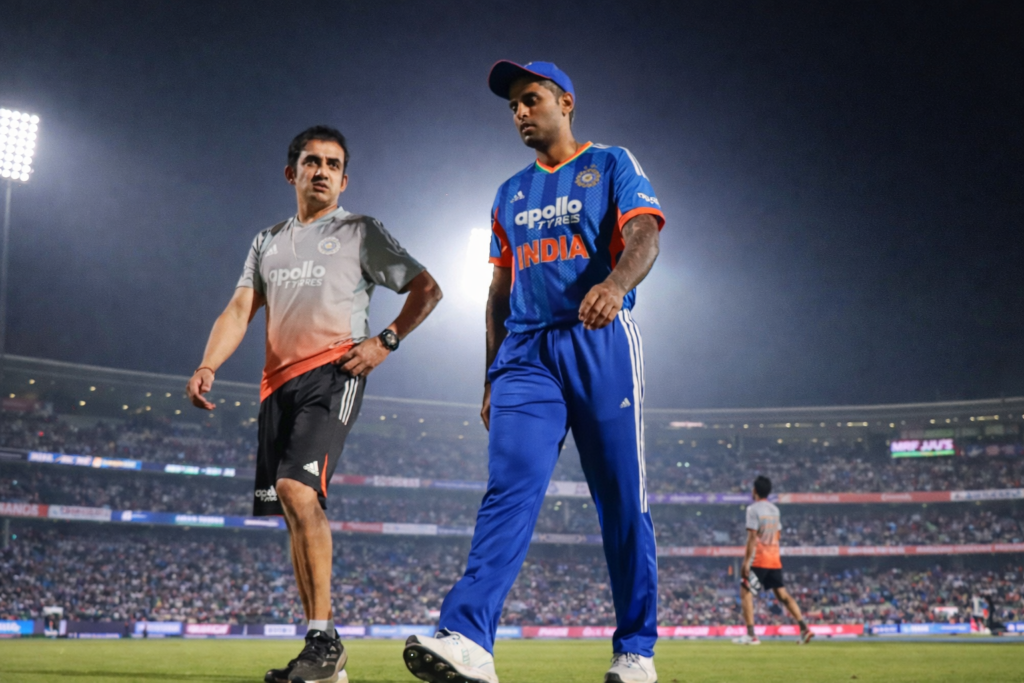
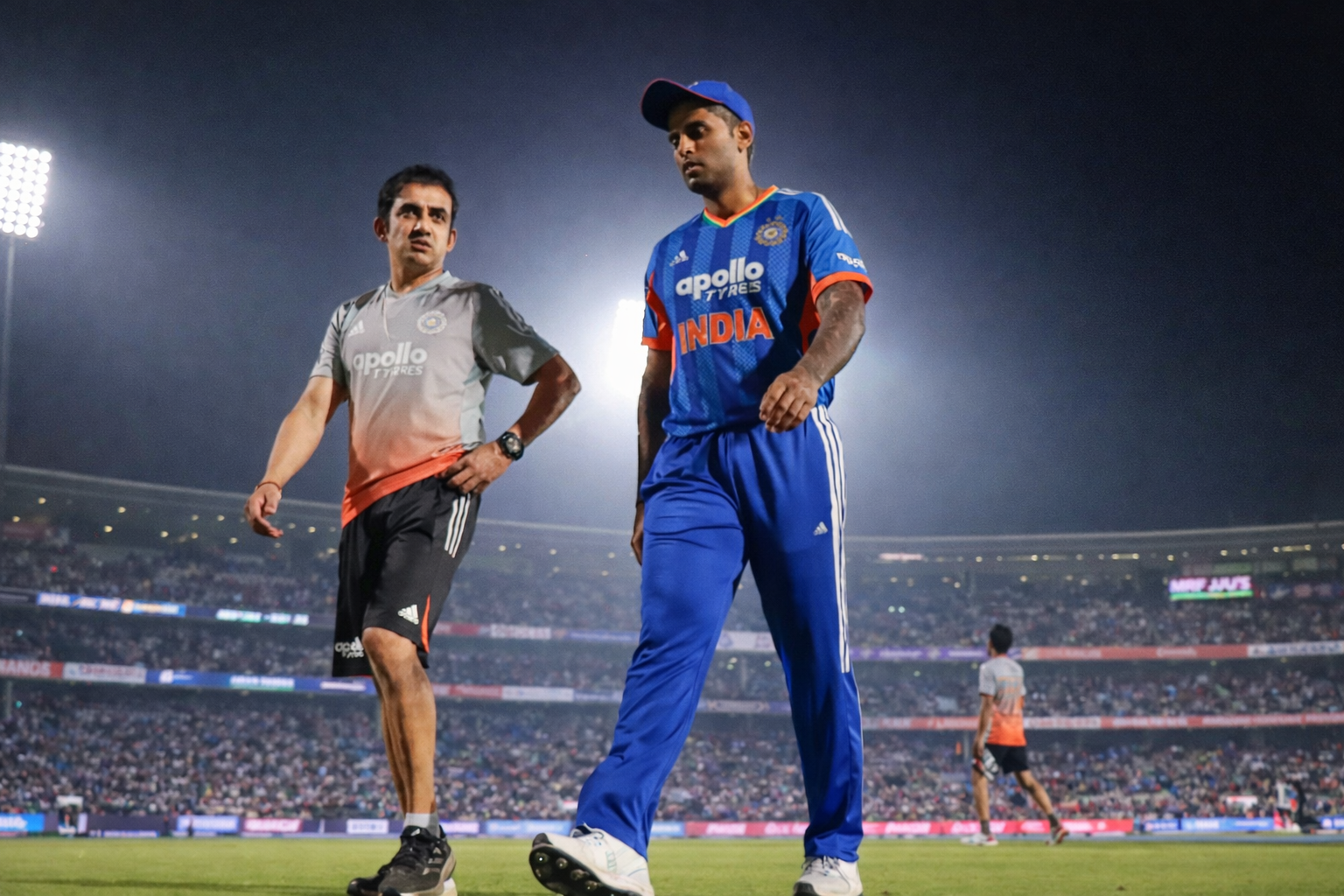
Gautam Gambhir raised eyebrows when, after India’s semi-final qualification in the ICC T20 World Cup, he remarked, “I don’t believe in data, honestly. I’ve never seen the data. I don’t even know what data is all about. I absolutely do not believe in it, because I feel it’s more about instinct.”
Coming from a modern-day international coach, the statement sounded startling. In an era where white-ball cricket is shaped heavily by analytics, algorithms and match-up projections, such a firm stance naturally sparked debate. But was Gambhir truly dismissing data — or was he making a subtler point?
Over the last decade, Indian cricket has fully embraced technology. Tools like Hawk-Eye, ball-tracking systems, advanced performance metrics and opposition pattern analysis are now integral to preparation. In the IPL, franchises rely extensively on analytics for scouting, player match-ups, auction strategies and in-game decisions. Data is no longer optional; it is embedded in the system.
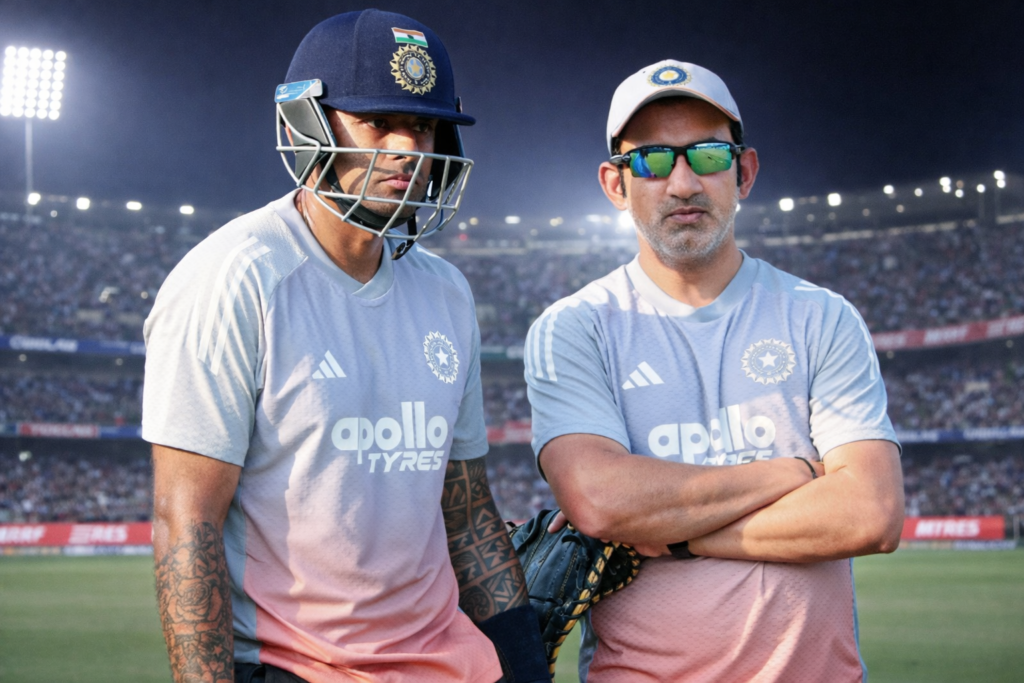
Gambhir’s philosophy, however, appears less about rejecting numbers and more about resisting overdependence. His emphasis has consistently been on clarity of roles, adaptability and reading the moment. He seems to favour cricketers who respond to situations instinctively rather than those operating strictly within pre-designed statistical templates. In that sense, his comments may not be anti-analytics — but anti-rigidity.
The global game offers numerous examples of data’s transformative power. In Hitting Against the Spin, Nathan Leamon explains how analytics reshaped England’s white-ball revolution. Under Eoin Morgan’s captaincy, boundary percentages, powerplay aggression, left-right batting combinations and calculated bowling match-ups became central pillars of strategy. That analytical backbone helped define what later became known as England’s ultra-aggressive approach.
Franchises and national teams across the world have followed similar paths. The Multan Sultans in the Pakistan Super League leveraged numbers effectively to sharpen their tactical edge. New Zealand’s system, meanwhile, is a quieter blend of preparation and temperament — their disciplined, hard-length bowling strategies are rooted in data mapping, though rarely publicised. Australia, arguably, use analytics with the greatest efficiency. From simulation modelling to opposition trend breakdowns, their preparation is meticulous, even if understated.
Other teams sit at different points along the spectrum. Sri Lanka appear to be evolving into a more structured, data-informed approach. West Indies, by contrast, have often leaned toward raw power and instinctive flair over granular analysis. Pakistan’s recent cricketing narrative sometimes feels like an uneasy mix of structure and spontaneity.
Against this backdrop, Gambhir’s remarks can be interpreted as a philosophical checkpoint. The debate is not about whether data should exist in cricket — it clearly does and will continue to shape the sport. The real question is: should analytics define a team’s identity, or merely inform it?
For Gambhir, instinct and courage remain non-negotiable elements. India’s squad is packed with explosive talent capable of altering games within a few overs. His belief appears to be that while numbers can guide preparation, they cannot replace bravery under pressure or the intuitive understanding of a match’s rhythm.
In an era increasingly driven by predictive models and probability charts, Gambhir seems to be posing a deeper challenge: can you quantify belief? Can you calculate momentum? Or does cricket, at its core, still demand a leap of faith that no algorithm can measure?
- MS Dhoni retire after 2026? Tell by uthappa old player of CSK team
- Ishan Kishan New captain of SRH by underlines Gambhir’s belief in his potential
- Shocking Twist! Virat Kohli’s New IPL 2026 Avatar Will Blow Your Mind
- Baap of IPL Returns! IPL 2026 Squad Will Rule Again!(The Real Baap of IPL is Ready Again)
- IPL Runs on Data, But Gambhir Says ‘No Thanks’ — Here’s Why!